How Much Do New Windows Cost?
New windows are a key component of maintaining your home’s comfort, efficiency, and value. The reasons homeowners replace their windows vary:
- Drafty: Air leaking in and out of your home
- Inefficient: High energy costs in the warmest and coldest months
- Outdated: Rotted, hazy, and difficult to open and clean
They most common questions homeowners ask are:
- How much are windows going to cost?
- How much is the installation vs. the window?
- Do more windows reduce the price per window?
- Can I save money by doing it myself?
The cost of new or replacement windows depends on many factors but knowing what factors change the price can help guide your decision on replacing your windows.
Key Factors to consider when choosing windows and pricing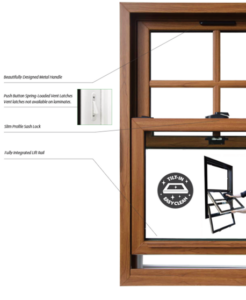
The style and size of the window: the most common are double-hung but homeowners also enjoy the lighting and unobstructed views from picture windows.
- Window Materials: Vinyl is the most common window replacement material, and wood or aluminum are other options.
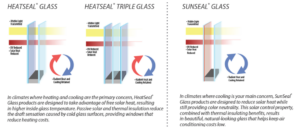
- Glass and Energy efficiency: glass and seals contribute to the efficiency of replacement windows.
Home and installation: The size, age, and construction of the home will dictate the price of a window replacement project.
What Drives the Price of a Window Down or Up?
Some of the main factors that affect window pricing are the materials used and the type of window you choose. Additional features and upgrades, such as glass packages, colors, and other enhancements, can also significantly increase the overall cost.
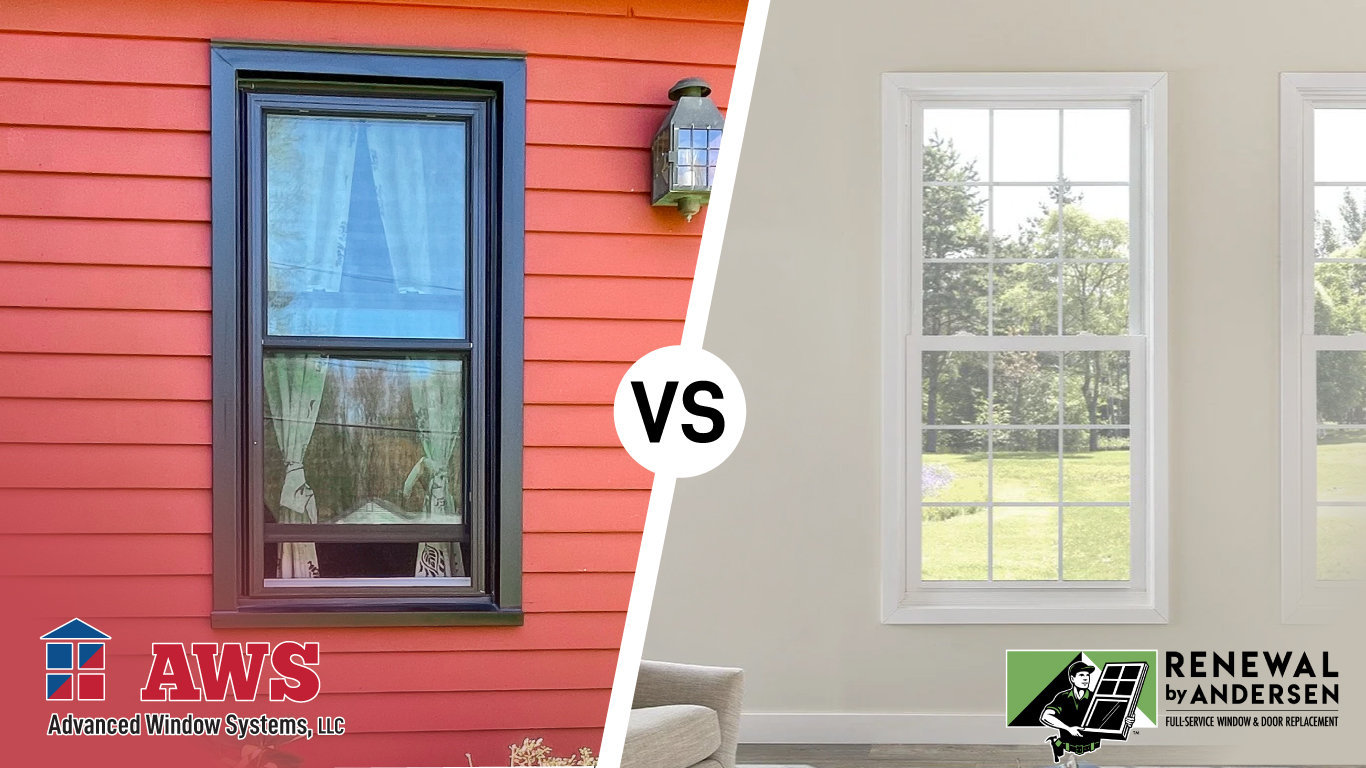
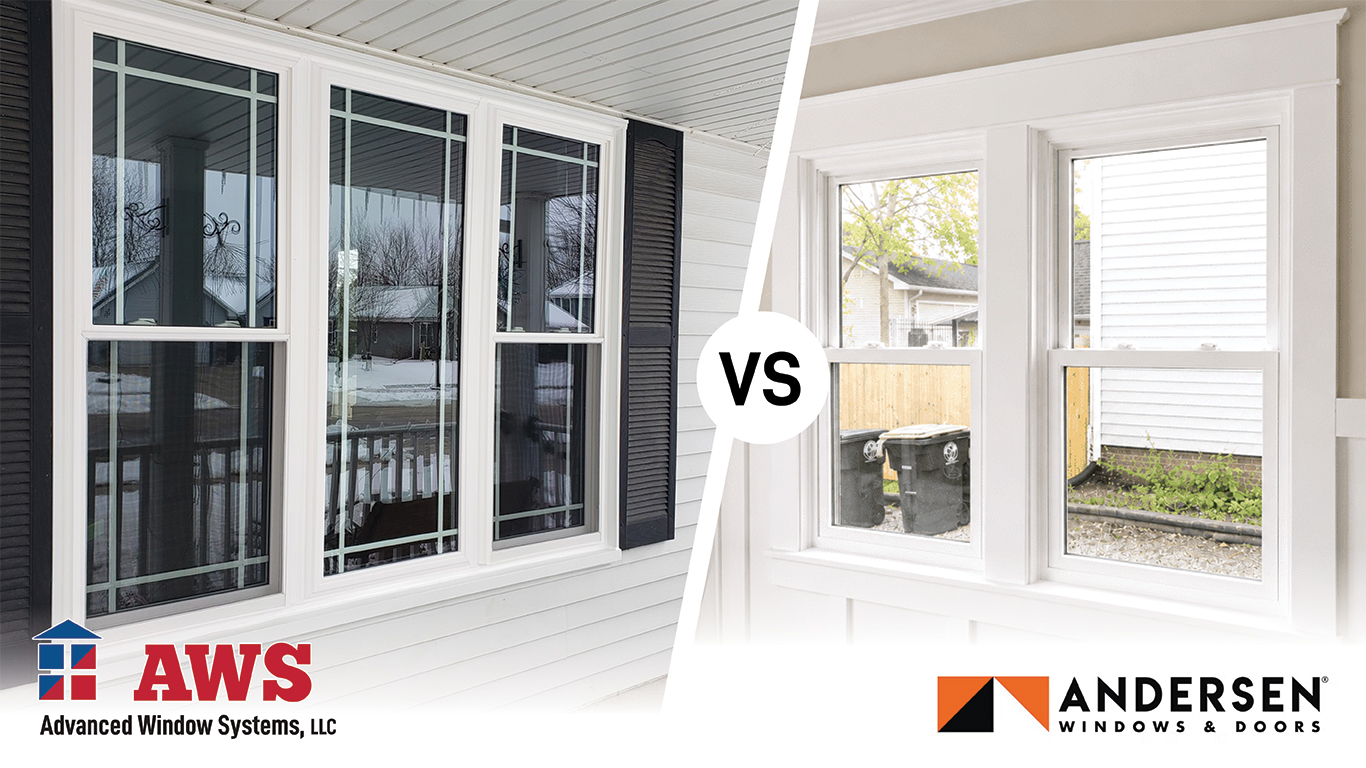
When comparing replacement windows, price differences often reflect the quality of the materials, construction, and installation. Some contractors and lower-priced window companies reduce costs by using thinner vinyl, weaker seals, and lower-quality spacers. They may also use less efficient glass coatings, which can lead to air leakage, drafts, and reduced performance over time.
When you choose a full‑service window installation company, you are not only getting higher‑quality products but you are also getting expert installation. Many of these companies employ specialists who are trained in their area of expertise and are solely dedicated to installing windows. In addition, full‑service companies typically have a customer service center that assists with the buying process, scheduling appointments, and handling any issues after installation. If a problem arises, they can send a service technician to inspect and repair the window. Many well‑known window companies also offer warranties on their products, providing added peace of mind and long‑term value.
Glass
Double-pane windows can significantly improve energy efficiency compared to single-pane windows by helping retain heat in the winter and reduce cool air loss during the summer. A double-pane window features two layers of glass separated by a sealed, insulating air or gas-filled space. Triple-pane windows add a third layer of glass and a second insulating space, providing even greater energy efficiency and sound reduction.
Optional upgrades can increase the overall cost of a window project. While standard white windows are often included in the base price, custom interior and exterior colors typically add to the cost. Decorative features, such as grid styles and other design enhancements, can also raise the final price of the window.
Frames
Advanced Window Systems | High End Vinyl Windows (600 Series)
High-end vinyl windows are made from 100% pure vinyl and feature foam-filled frames and sashes. Higher-grade glass coatings provide UV protection, while non-metal spacers help seal the gas between the panes and improve long-term thermal performance.
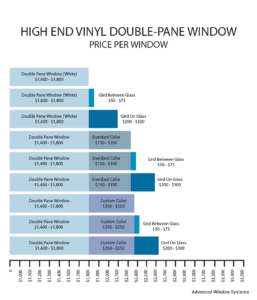
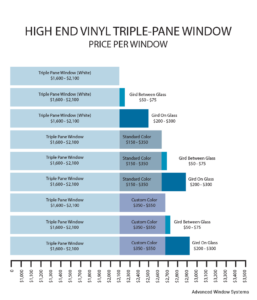
The graphs below show the cost per window for both high-end vinyl double-pane and triple-pane windows. The base price for a standard white double-pane window ranges from $1,400 to $1,800, while a standard white triple-pane window ranges from $1,600 to $2,100. Optional upgrades, such as grids between the glass ($50-$75), grids on the glass ($200-$300), standard colors ($150-$350), and custom colors ($350-$550), increase the final price.
A high-end vinyl double-pane window in a standard color with grids between the glass typically ranges from $1,600 to $2,225 per window. A custom-color double-pane window with grids on the glass generally ranges from $1,950 to $2,650 per window.
For triple-pane windows, a standard-color model with grids between the glass typically costs $1,800 to $2,525 per window. A custom-color triple-pane window with grids on the glass generally ranges from $2,650 to $2,950 per window.
Low End Vinyl Windows (400 Series)
Low-end windows typically have hollow frames and sashes and lack the high-quality glass and seals found in premium products. Their glass coatings offer limited energy-efficiency benefits, and some models use metal spacers that can allow heat transfer and gas leakage over time. While some low-end windows include insulating gas between the panes, their overall thermal performance is generally lower.
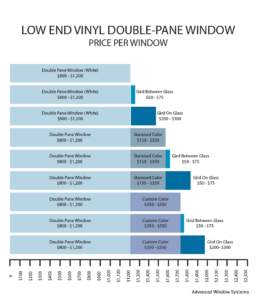
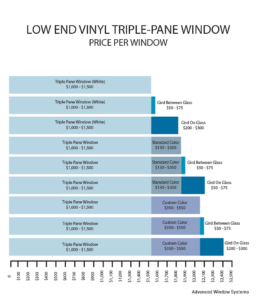
The Low-End Vinyl Windows graphs below show the cost per window for both double-pane and triple-pane models. The base price for a standard white double-pane window ranges from $800 to $1,200, while a standard white triple-pane window ranges from $1,000 to $1,500. Prices increase as additional features are added.
A low-end vinyl double-pane window in a standard color with grids between the glass typically ranges from $1,225 to $1,625. The same window in a custom color with grids on the glass generally costs $1,650 to $2,050. A low-end vinyl triple-pane window in a standard color with internal grids typically ranges from $1,200 to $1,925. A custom-color triple-pane window with grids on the glass is usually priced between $2,150 and $2,950 per window.
 |
 |
Vinyl Clad Windows (200 Series and 400 Series)
A vinyl-clad window features a wood frame with a vinyl exterior that protects the outside of the window. These windows are typically considered a premium product and often carry warranties similar to those offered with vinyl and composite window products.
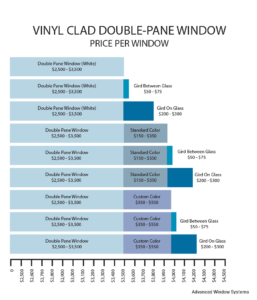
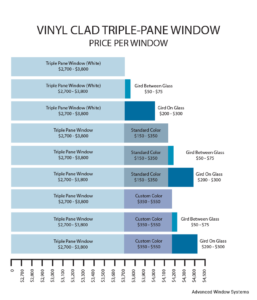
The vinyl-clad window graphs show the pricing for double-pane and triple-pane options, along with the impact of popular upgrades. A standard white vinyl-clad double-pane window typically ranges from $2,500 to $3,500, while a triple-pane version ranges from $2,700 to $3,800.
Adding grids between the glass to a standard-color double-pane vinyl-clad window increases the price to $2,700-$3,925. A custom-color double-pane window with grids on the glass typically ranges from $3,350-$4,350 per window.
For triple-pane windows, a standard-color model with grids between the glass usually ranges from $2,950-$4,225. A custom-color triple-pane vinyl-clad window with grids on the glass can range from $3,250-$4,650 per window.
Wood Windows (200 Series and 400 Series)
Wood windows are a premium product that can increase the risk of rot in New England’s climate and often require more maintenance than other window options. They offer natural beauty and help homeowners maintain the architectural integrity of their homes.
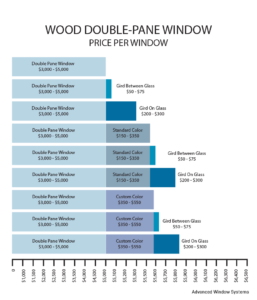
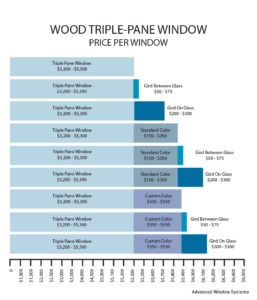
The graphs for wood double-pane and triple-pane windows show the base price of a standard window and how optional features affect the cost. A double-pane wood window typically ranges from $3,000 to $5,000, while a triple-pane option ranges from $3,000 to $5,300.
Adding grids between the glass to a standard-color double-pane wood window increases the price to $3,200-$5,425. A custom-color double-pane window with grids on the glass ranges from $3,550-$5,850.
For triple-pane windows, a standard-color model with grids between the glass typically costs $3,400-$5,725. A custom-color triple-pane wood window with grids on the glass ranges from $3,750-$6,150 per window.
Composite and Fiberglass Windows (100 Series)
Composite and fiberglass windows are made from a blend of 40% wood fibers and 60% plastic, bonded together with adhesives. Manufacturers assemble the corners with brackets or screws rather than fusion-welding them. While these windows are durable, extreme temperatures can sometimes cause bowing or warping, and seal failure can occur over time. Their construction also lacks the completely airtight seal of a fusion-welded frame.
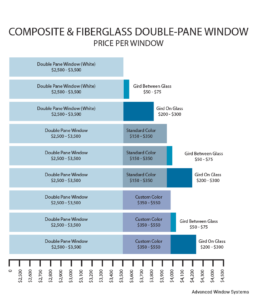
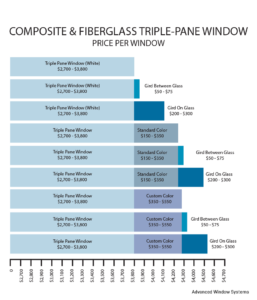
The graphs for composite and fiberglass double-pane and triple-pane windows show the base price of a standard window and how optional features affect the overall cost. A double-pane composite or fiberglass window typically ranges from $2,500 to $3,500. A triple-pane model generally ranges from $2,700 to $3,800. Additional features and customizations can increase the final price.
Adding grids between the glass to a standard-color double-pane window increases the price to $2,700-$3,925. A custom-color double-pane window with grids on the glass ranges from $3,050-$4,125. A triple-pane window in a standard color with grids between the glass typically ranges from $2,900-$4,225. A custom-color triple-pane window with grids on the glass can range from $3,250-$4,650 per window.
How New Windows can Add Long Term Value to Your Home
Homeowners who replace their windows have historically seen returns through increased home value and long-term savings. The
national average cost of ten replacement windows is about $22,000. Industry trends show that many homeowners recover a significant portion of their investment through energy savings and resale value. On average, homeowners can recoup about 75% of the project cost, or roughly $16,000, when selling their home within a reasonable timeframe after installation. Lower heating and cooling costs can further improve the long-term return, making window replacement a smart investment for many homeowners.
Understanding Hidden costs in Window replacement
When purchasing new windows, hidden costs can arise if we don’t thoroughly inspect the existing window opening and surrounding installation area beforehand. Issues such as wood rot and water damage often stay hidden until installation begins, creating additional costs and unexpected delays. That’s why Advanced Window Systems sends a Residential Product Specialist to every project. These experts understand windows and the installation process, helping identify potential issues before work begins.
Our Product Specialists carefully inspect each window and surrounding frame to uncover potential problems early. This approach helps homeowners understand the full scope of the project upfront, including any additional labor that may be required. A thorough inspection helps prevent surprises, avoid last-minute price increases, and ensure your new windows are installed correctly the first time.
Is Replacing My Windows Really Worth it?
When it comes to the cost of replacing your windows, the biggest question homeowners ask is whether the investment is worth it. At Advanced Window Systems, we believe the answer is always yes.
Modern replacement windows are designed with a myriad of modern advancements, and energy efficient components that keep your home at the desired temperature year-round. Choosing high-quality windows can help eliminate drafts, improve your home’s thermal efficiency, and ensure smooth operation for years to come. Conversely low end, cheap options or inexperienced contractors leave homeowners with drafts, poor thermal performance, and malfunctioning windows. Investing in a higher‑quality product delivers lasting value with windows built with the homeowner in mind. Our number one goal is to improve the quality of life our customers enjoy in their homes.
Why choose Advanced Window Systems?
At Advanced Window Systems, homeowners can take advantage of monthly payments as low as $20 per window, making it easier to spread the cost over time.
We stand behind the quality of our high-end vinyl windows and make replacement windows affordable without compromising quality or service. That’s why we offer flexible financing options to fit nearly any budget, including 75% off installation, no money down, no interest, and no payments for 12 months. These options help homeowners get the high-quality windows their homes deserve without a large upfront investment.
As a premier home improvement company, Advanced Window Systems provides financial solutions designed to make window replacement more accessible. Homeowners can qualify for affordable unsecured loans without using home equity. Through our trusted financing partners, we offer competitive rates and flexible terms, helping homeowners secure the best available financing options for their project.