How Much Does It Cost to Convert a Bathtub into a Walk-In Shower?
Key points for converting a tub into a shower:
- Increased risk of slipping or falling and fear of injury for aging homeowners
- Tubs are rarely used, so a tub can become a waste of space
- Tubs are laborious to clean and maintain—tub walls and deep basins are difficult to reach, and mold and mildew can build up easily
- Older tubs can make an entire bathroom look dated
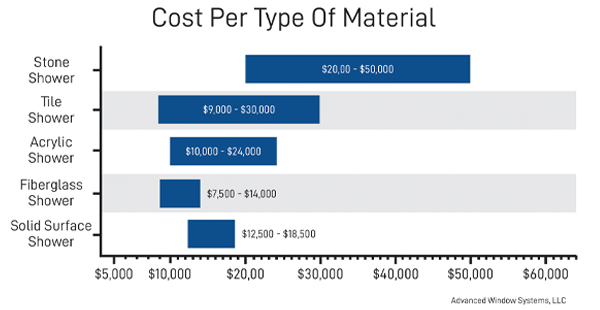
When converting your tub into a walk-in shower, some of the most important factors to consider are the types of materials available and the overall cost. There are five different types of materials commonly used for showers: stone, acrylic, tile, fiberglass, and solid surface.
Stone Showers
 A stone shower can range from $20,000 to $50,000. A stone shower can offer a high-end look with a durable, water-resistant surface that has fewer seams and joints, which can help reduce the mold growth on the surface. Stone material is so heavy, that some homes require additional wall support, and installation often takes longer than other shower types. Stone surfaces require special sealing and cleaning products, and some cleaning products or harsh chemicals can damage the finish overtime. While a stone shower can be beautiful and durable, it does require maintenance and can be more susceptible to cracking, chipping, or staining than some manufactured or engineered alternatives.
Tile Showers
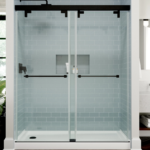 A tile shower, like a stone shower, has the luxurious look and adds a high-end look and feel to any bathroom. The price range for a tile shower is $9,000 to $30,000 depending on how customized you want the shower. There are unlimited choices for colors, patterns, and layouts. With a tile shower, you also have the flexibility to configure in a wide range of spaces, from small bathrooms to larger custom walk-ins and even uniquely shaped shower areas.
Tile showers are typically more expensive due to material costs, labor, and longer installation times, which can take anywhere from 1-3 weeks to complete. Much of this time is spent on preparation, tile setting, grouting, and sealing. While tile offers customization and the ability to add features like built-in benches or storage niches, they also present some drawbacks. Tile showers can stain or develop mold and mildew, especially if they are not properly waterproofed during installation. Poor installation can lead to water damage, and grout lines require regular cleaning and resealing over time.
In terms of accessibility, adding features like grab bars or wall-mounted folding benches- require heavy-duty anchoring behind the tile, often secured into wall studs. This process involves drilling into the tile, which can cause cracking if not done correctly. Additionally, tile shower floors can pose a slipping risk. Overall, tile showers tend to require the highest level of maintenance and represent the largest long-term investment in upkeep.
Acrylic
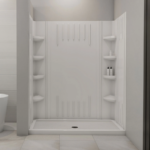 Acrylic showers can range from $10,000 to $24,000. Many plastic or acrylic showers are prefabricated as either one-piece units or multi-piece kits and are extremely budget-friendly, often taking as little as 1-2 days to install. Because they are prefabricated and manufactured using non-porous surfaces there are no grout lines, making the walls easy to wipe down and ensures moisture will not absorb into the surface like stone.
The downside of acrylic showers is that they do not have the same luxurious look as stone or tile. While acrylic is an affordable and practical solution, it may not provide the same return on investment. Customization options for color, design, and texture are more limited, and available styles often lack the “wow” factor many homeowners want. Additionally, over time, acrylic can flex and may not feel sturdy. The surface is also prone to scratching and can become dull over time. Harsh or abrasive cleaners may damage the finish or even cause yellowing, and surface damage to acrylic showers can be difficult to hide or repair seamlessly.
Fiberglass
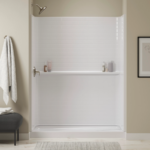 Fiberglass showers can range from $7,500 to $14,000. Prefabricated shower units and kits are molded from a lightweight material made of fine glass strands and plastic resin. This combination creates a strong yet lightweight shower system. They can also be installed quickly, often in just 1-2 days. Fiberglass panels have a smooth, non-porous surface that resists mold and mildew better than tile. With no grout lines, the surface can easily be wiped down with a standard cleaner.
Like acrylic, fiberglass offers fewer design options and can look cheaper than other materials. The surface of the panels is also more likely to scratch, dull, or yellow over time, which can affect both the appearance and durability. However, fiberglass showers can be designed to support aging in place with accessibility features such as low-threshold or walk-in bases, built-in shelves, and seating. While grab bars are easier to install in a fiberglass shower than in tile or stone showers, they still require proper wall support behind the wall to ensure they are properly and securely installed.
Solid Surface
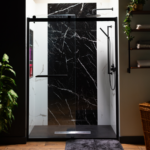
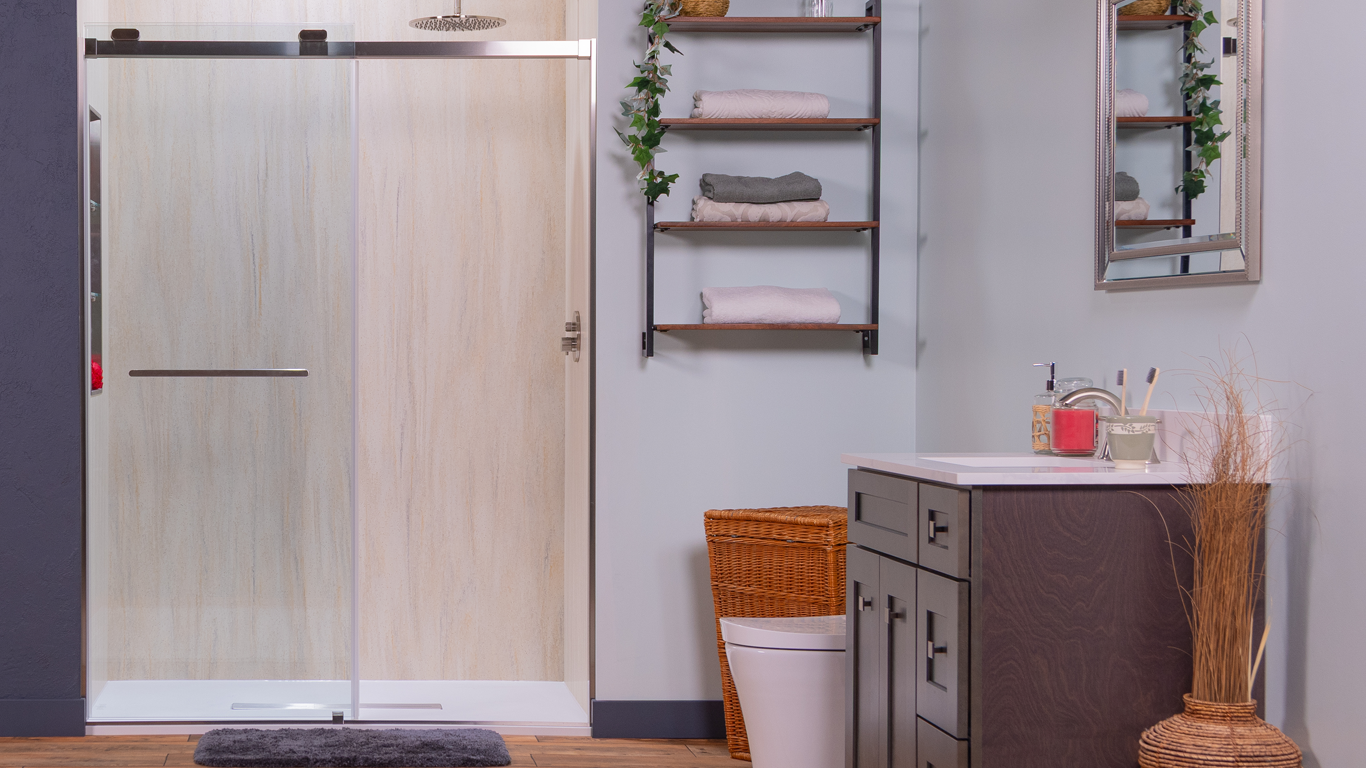
Solid surface showers typically range from $12,500 to $18,500. Their larger panels help reduce seams and contribute to a clean, modern look. These panels are made from a combination of natural minerals and resin, resulting in a durable, non-porous material with a smooth, stone-like finish. Because solid surface showers are made of larger panels there are less visible seams, creating a luxury appearance that works well in both modern and traditional bathrooms. Solid surface showers are also available in a wide range of colors, textures, and stone-look finishes.
Compared to some other shower materials, solid surface is resistant to cracking, chipping, and staining. The material also allows for a high level of customization. Features such as built-in shelves, recessed niches, folding benches, and grab bars can be incorporated directly into the design and mounted securely within the wall structure.
Another practical benefit is the reduced number of seams and grout lines compared to tile showers. Fewer joints can help limit areas where moisture, soap scum, and mildew accumulate, making routine cleaning and maintenance simpler. In most cases, solid surface showers can be cleaned with standard soap and water without the need for specialized grout or stone cleaners.
Conclusion
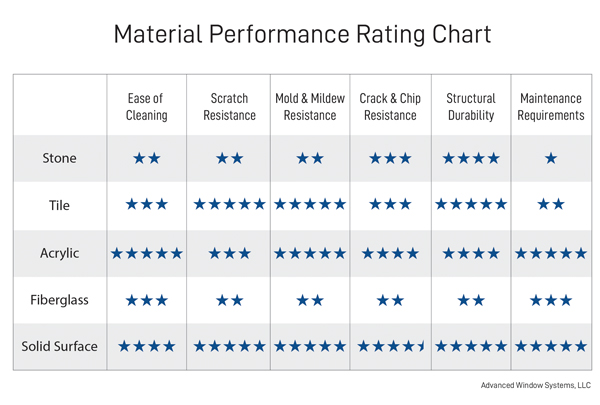
Walk-in shower materials are available in a wide variety of styles and price points. Fiberglass and acrylic are often chosen for their lower upfront costs, but both can scratch, fade, or flex over time. Tile showers offer more customization. However, they typically require ongoing maintenance. They can also become difficult to clean if mold or mildew builds up in the grout lines. Natural stone provides a high-end appearance. However, it is heavier and more expensive. It also requires routine sealing and special care to maintain its finish.
A solid surface shower provides an excellent balance of luxurious style, durability, low maintenance, customization, and overall appearance. The construction of the panels creates a clean, modern look while reducing grout lines and areas where moisture can collect. The durability of solid surface material also supports built-in accessories such as shelves, benches, niches, and grab bars. This makes it ideal for long-term use and accessibility. For homeowners looking to replace a bathtub with a walk-in shower, solid surface showers are often one of the most practical and versatile options available. They combine appearance, performance, and minimal upkeep.
Is It Worth Converting a Bathtub to a Walk-In Shower?
One of the biggest questions homeowners ask is whether upgrading their shower or converting a bathtub to a walk-in shower is worth the investment. At Advanced Window Systems, we believe the answer is yes. Homeowners no longer use bathtubs the way they once did. Walk-in showers are becoming a popular choice for homeowners. They offer a spacious, low-maintenance design and include accessibility features such as grab bars, built-in seating, and low-threshold entry.
Why Choose AWS for Your Next Shower?
Advanced Window Systems improves quality of life with premium shower systems designed to last. We make it easy for homeowners to invest in a new shower without sacrificing quality or service.
Homeowners can also take advantage of our flexible financing options to help make shower renovations more affordable. These financing solutions include 75% off installation, no money down, no interest, and no payments for 24 months for qualified buyers. That makes it easier to get the safer, more accessible bathroom your home deserves without large upfront costs.